Matt Dinovo

Wine explorer · Traveler · Consultant

Work With Me

Wine tends to stick with me because of where I drank it and who was there. A table with my wife, Lynsey. A tasting room in Northern Michigan. A winery visit that leaves me wondering why the same grape tastes so different a few miles down the road.

That's what keeps me interested. I travel, taste, ask questions, and work behind the bar. WSET training has given me the framework for what's in the glass, and the vineyard visits and tasting room shifts connect that structure to real places and people.

I'm WSET Level 2 certified (Pass with Distinction) and currently pursuing the American Wine Expert certification through Napa Valley Wine Academy. I conduct wine club tastings at Carfagna's Market & Ristorante in Columbus, Ohio, work the floor at Uncorked Wine Tastings in Dublin, Ohio, and manage The Northern Nook, a vacation rental property on the Leelanau Peninsula. Through Matt Dinovo Wine Consulting, I lead private and group tastings for individuals, clubs, and corporate clients, drawing on firsthand tasting experience across California, Northern Michigan, Portugal, Italy, Greece, Canada, and Argentina.

I lead private and group tastings. See how they work.


What I Bring to the Table

Travel

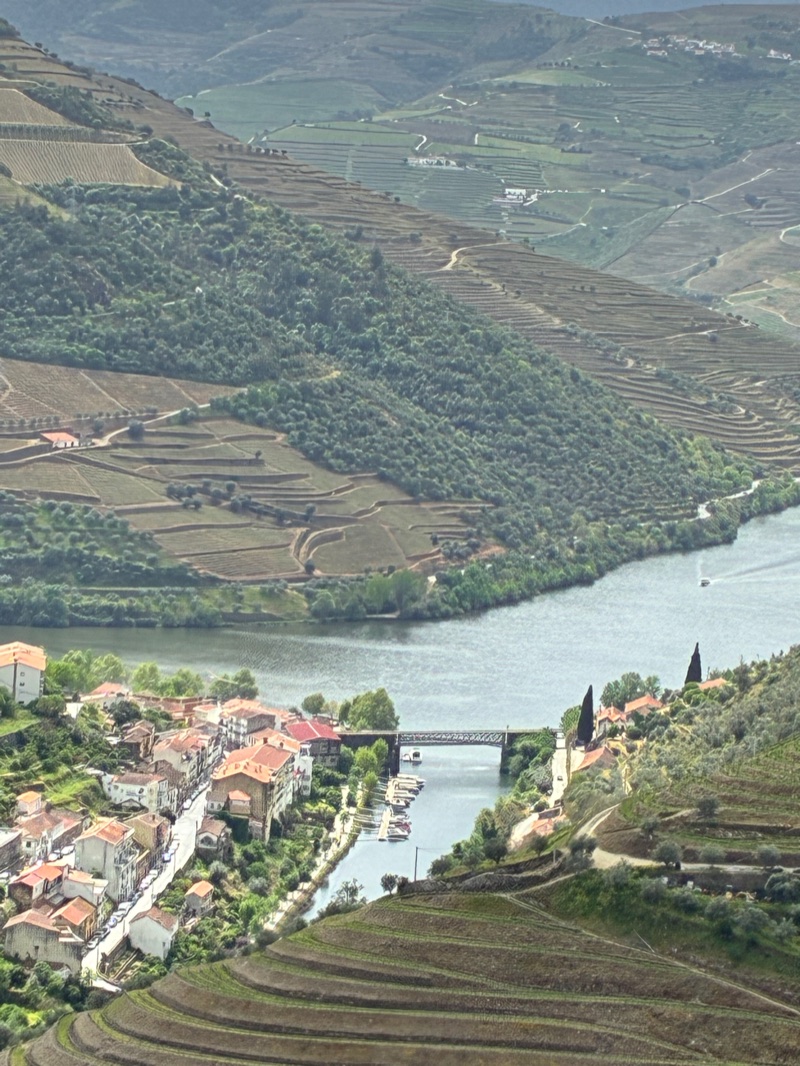
Visiting wine regions has helped me understand what I'm tasting. I've tasted in California's morning fog, walked steep schist slopes in the Douro, and sat in a stone room in Tuscany while the producer described the soil his family had worked for four generations. The mineral edge of a Santorini Assyrtiko clicks once you've felt the Aegean wind and seen the pumice underfoot. Seeing the actual place turns abstract tasting notes into something concrete.

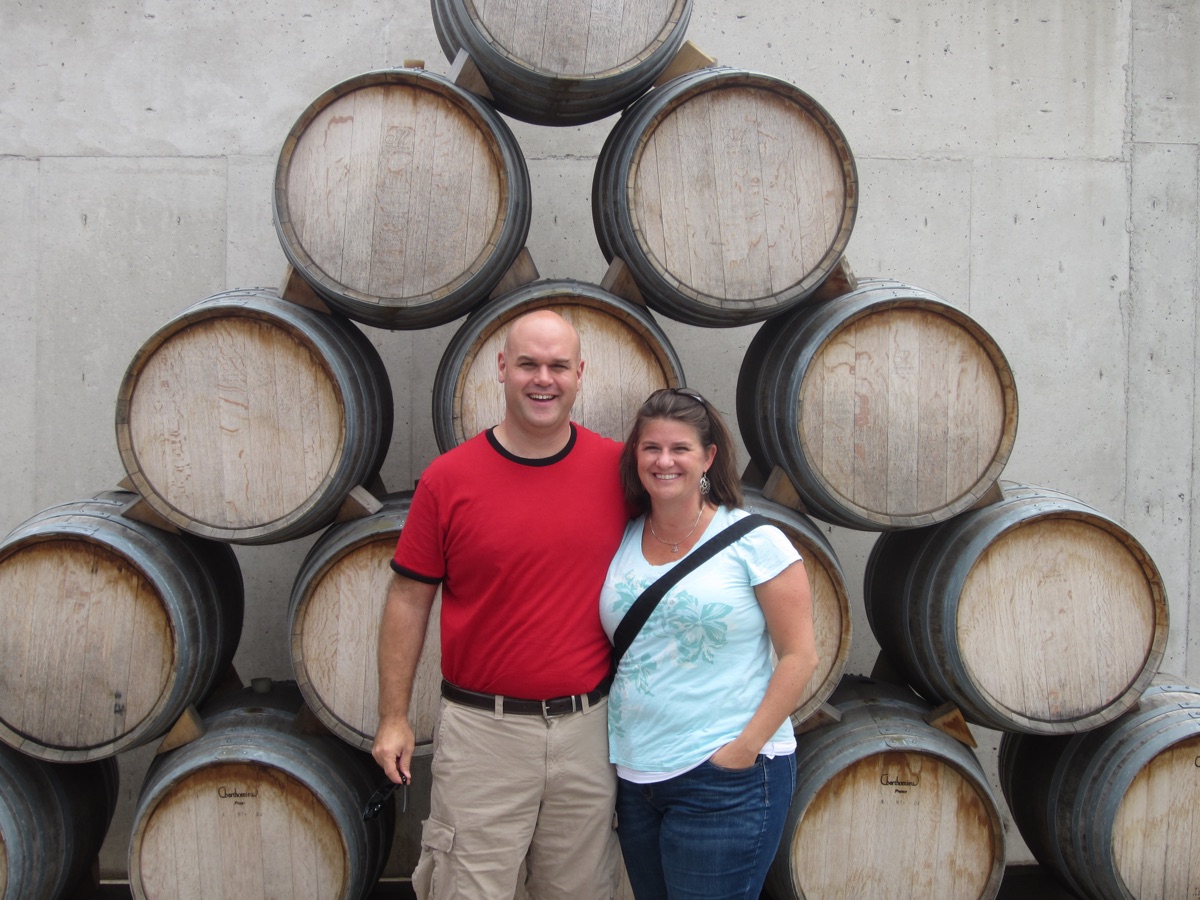
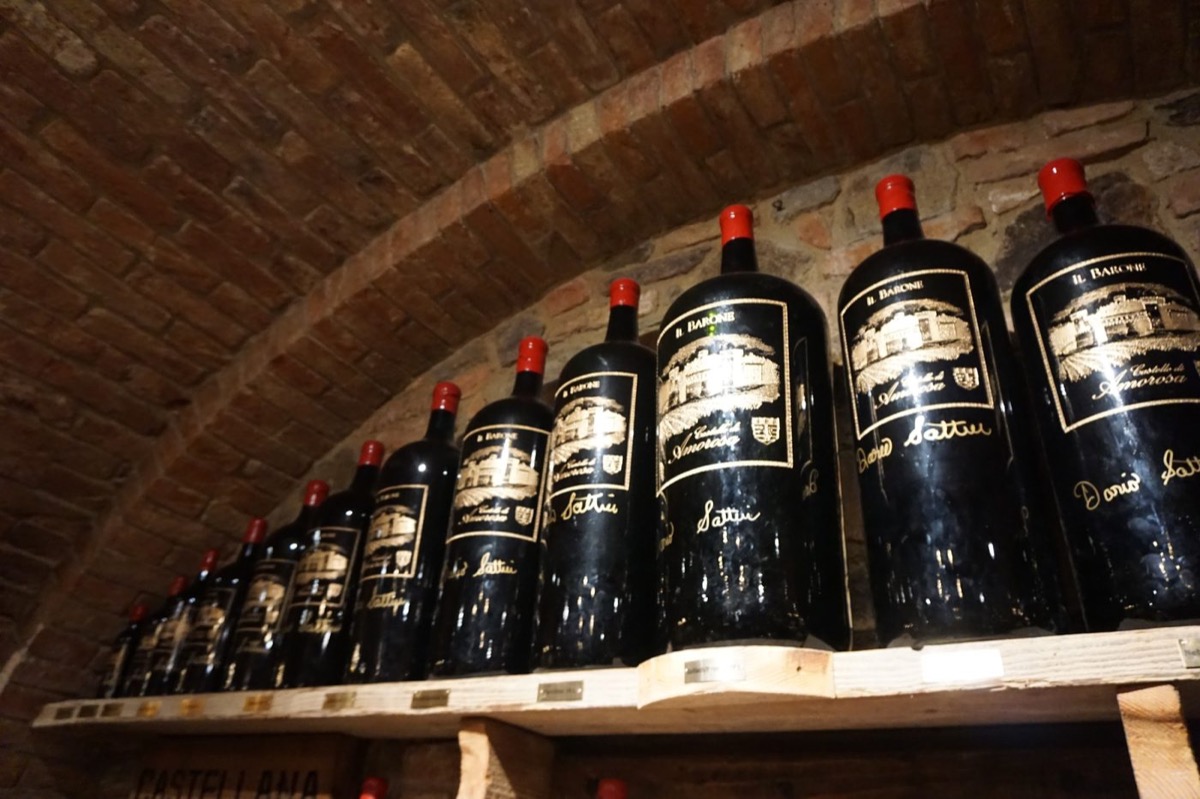
Castello di Amorosa barrel cellar lined with magnums, Napa Valley

Education

I'm WSET Level 2 certified with Distinction — the top classification WSET awards — from July 2026, and Level 1 certified from October 2025. The training is a guardrail: it keeps the stories honest and stops me from mistaking mood for structure. It also gives us a shared vocabulary for what's actually in the glass — acidity, tannin, structure, and place — so we can talk plainly about why a wine tastes the way it does.

WSET Level 2 Award in Wines badge
WSET Level 2 Award in Wines Wine & Spirit Education Trust · Pass with Distinction · July 2026 Verify credential →
WSET Level 1 Award in Wines badge
WSET Level 1 Award in Wines Wine & Spirit Education Trust · October 2025 Verify credential →
American Wine Expert — In Progress Napa Valley Wine Academy · Currently pursuing certification Explore the program →

Behind the Bar

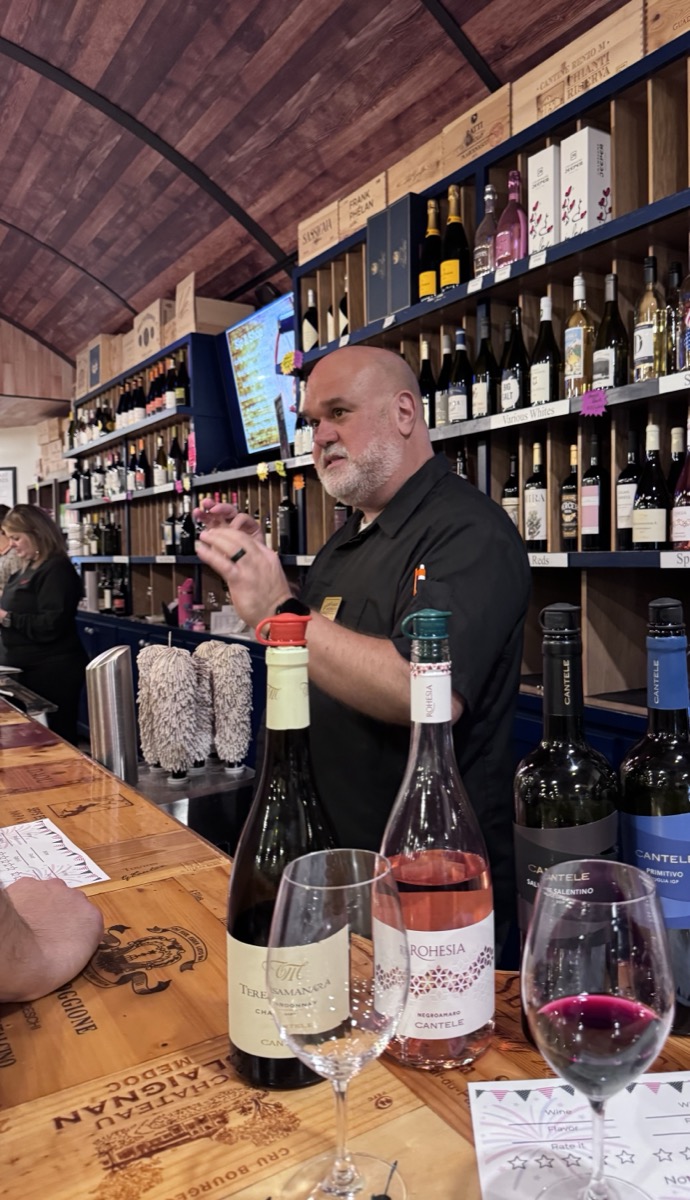
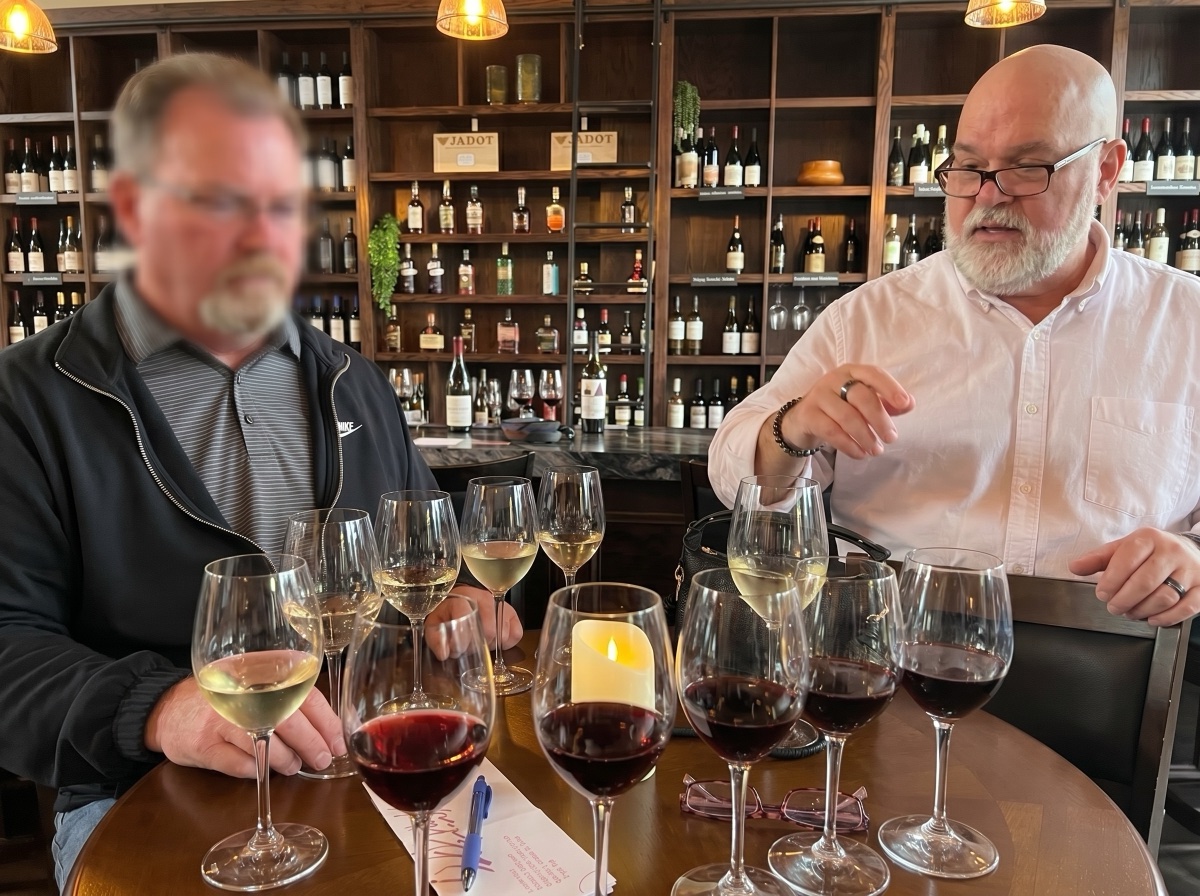
At Carfagna's Market & Ristorante in Columbus, I pour and explain wine flights for wine club members and guests. At Uncorked Wine Tastings in Dublin, I help people get comfortable with the self-serve tasting system and navigate the wall. Both roles mean plenty of conversations with people figuring out what they like, and nobody needs to apologize for not knowing the wine vocabulary. You learn quickly that wine education is mostly about permission — giving people the confidence to trust what they're actually tasting instead of what they've been told to taste.

Matt Dinovo guiding a wine tasting at Carfagna's Market & Ristorante

As a Member

I've been in wine club memberships for over a decade — several over the years, and currently active in a few at once. (Probably one too many, if you ask my wine fridge.) The consumer side teaches you what actually matters: a tasting note that tells you something you didn't know about the wine, consistency in what arrives, an actual relationship with the producer or curator — not just a checkbox renewal. You notice what's forgotten and what's remembered. That's stayed with me.

As a Host

I manage The Northern Nook, a vacation rental property on the Leelanau Peninsula in Northern Michigan. Hosting guests in one of the Midwest's most beautiful wine regions has taught me how to look at the guest journey from the other side of the door. Understanding what it takes to make a place worth returning to, and how to create a memorable hospitality experience, is the same perspective I bring when designing wine tastings. It's about detail, rhythm, and anticipation.


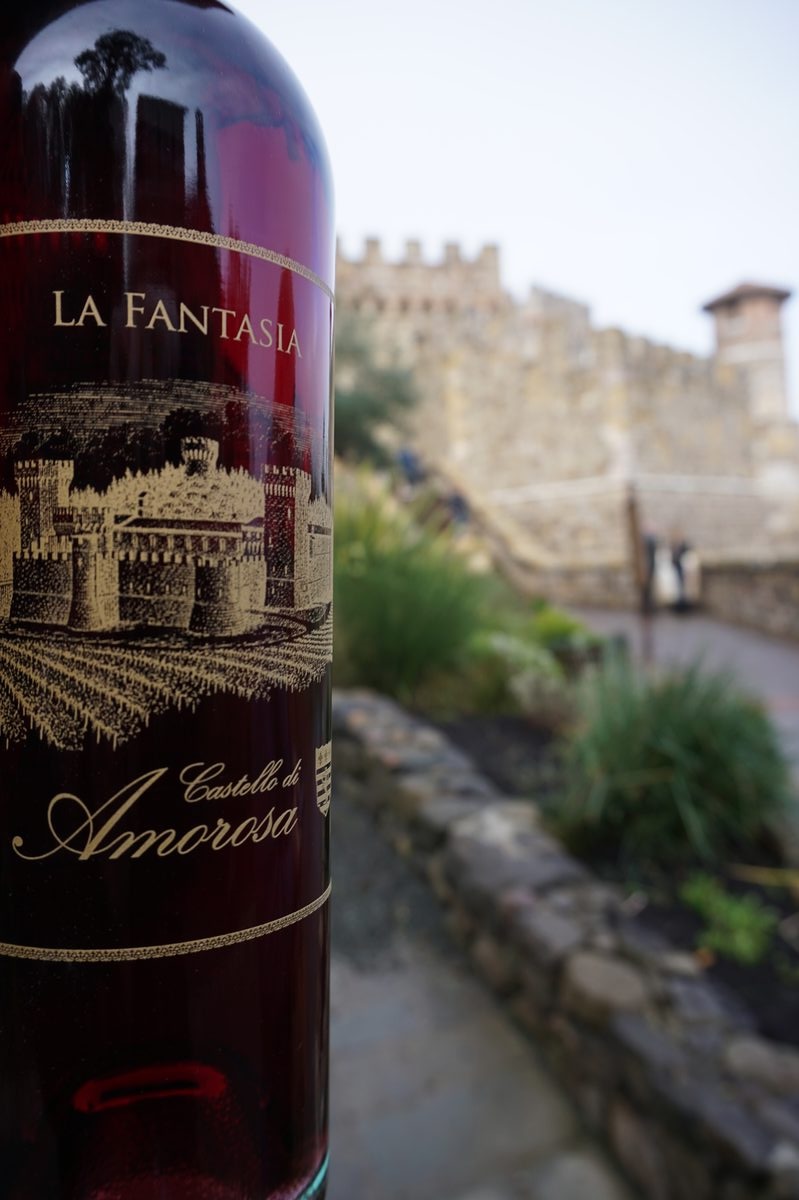
La Fantasia bottle in the foreground with Castello di Amorosa castle behind it, Napa Valley

California

From Napa's structured Cabernets to the cooler, more restrained wines coming out of Sonoma, Carneros, and the Russian River Valley — California's range is wider than its reputation suggests. I've tasted across the spectrum and spent time with producers who are pushing past the big, extracted style that defined the last generation — 46 wineries visited, including two Judgment of Paris winners: Chateau Montelena and Stags' Leap.

Open map in Google Maps →
California wineries I've visited
Matt Dinovo at a vineyard table, Traverse City, Northern Michigan

Northern Michigan

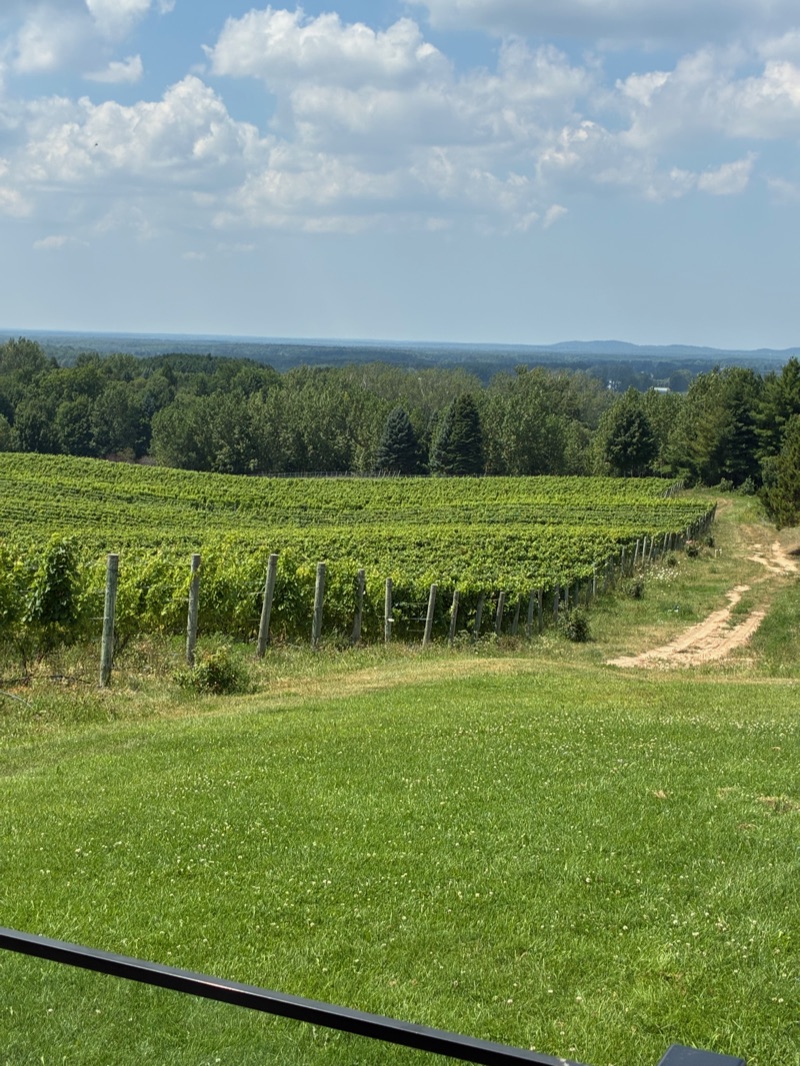
Leelanau and Old Mission are doing something genuinely exciting. The twin peninsulas jut into Lake Michigan, and the water moderates the climate in ways that produce elegant Rieslings, Pinot Gris, and cool-climate reds that most people outside the Midwest have never encountered — 30 wineries visited across both peninsulas.

One of my favorites in the region is Blustone Vineyards in Lake Leelanau — voted the best winery on the peninsula five years running. This photo was taken at Two K Farms in Suttons Bay — a producer that blurs the line between winery and cidery in the best way, and whose 2022 Bubbly Riesling took top honors in competition. MAWBY in Suttons Bay is one of the most serious sparkling wine operations in the Midwest — méthode champenoise, with a reserve solera dating to 1993. Bel Lago in Cedar farms 37 acres and over a hundred grape varieties, including Blaufrankisch and Siegerrebe alongside the expected Pinot Gris and Riesling, which tells you something about how seriously they take what the land can do. Three Trees Vineyard, also in Suttons Bay, had wines selected for the James Beard Foundation's Dinner of the Decade.

Open map in Google Maps →
Northern Michigan wineries I've visited

This is where my deeper appreciation for cool-climate, terroir-driven wine really took hold. The region rewards the curious and punishes anyone who shows up expecting California.

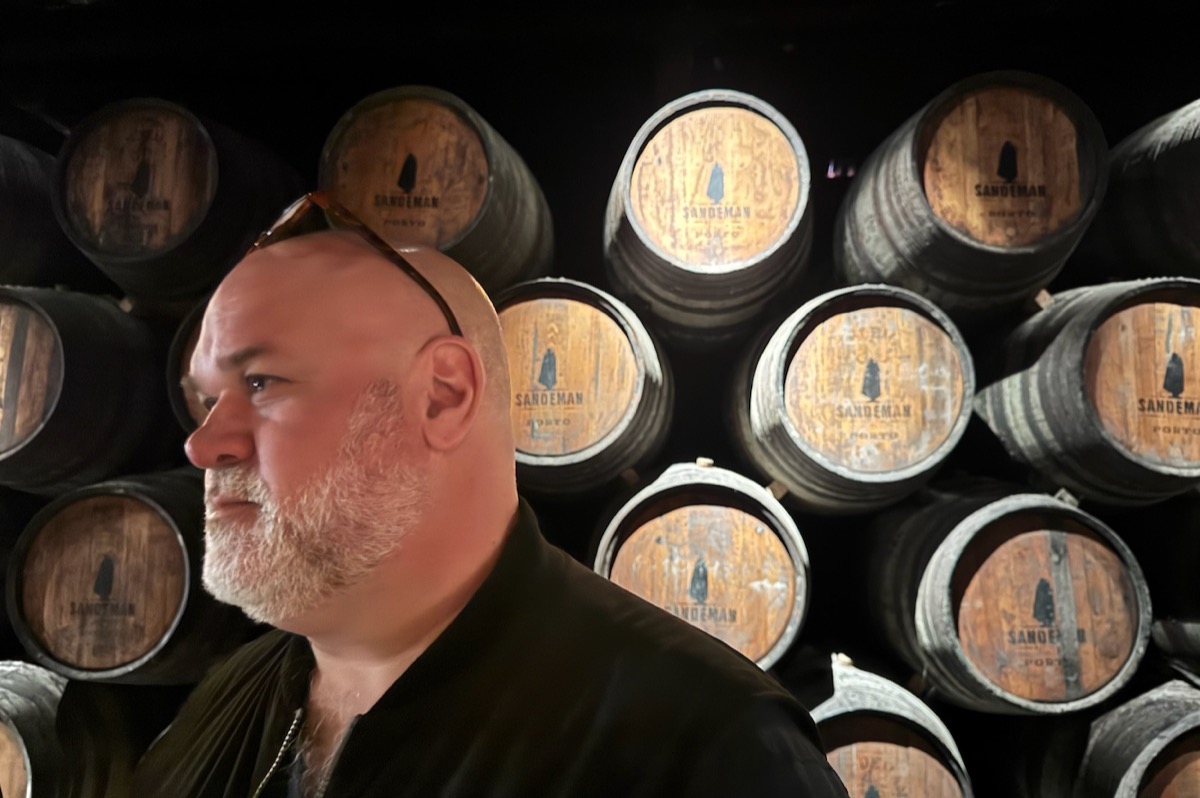
Matt Dinovo tasting wine in a Porto barrel cellar, Portugal

Portugal

The Douro is where I fell hardest. We started at Sandeman's caves in Vila Nova de Gaia — one of the oldest port lodges on the river, founded by a Scotsman in 1790 and still recognizable worldwide by The Don, that stark silhouette in a Portuguese student's cape. The cellars run deep into granite, cool and dark, smelling of oak and something much older than the building itself. Row after row of aging pipes and toneis, centuries of port accumulating in the dark. The difference between a ten-year and a twenty-year Tawny becomes obvious in a room like that.

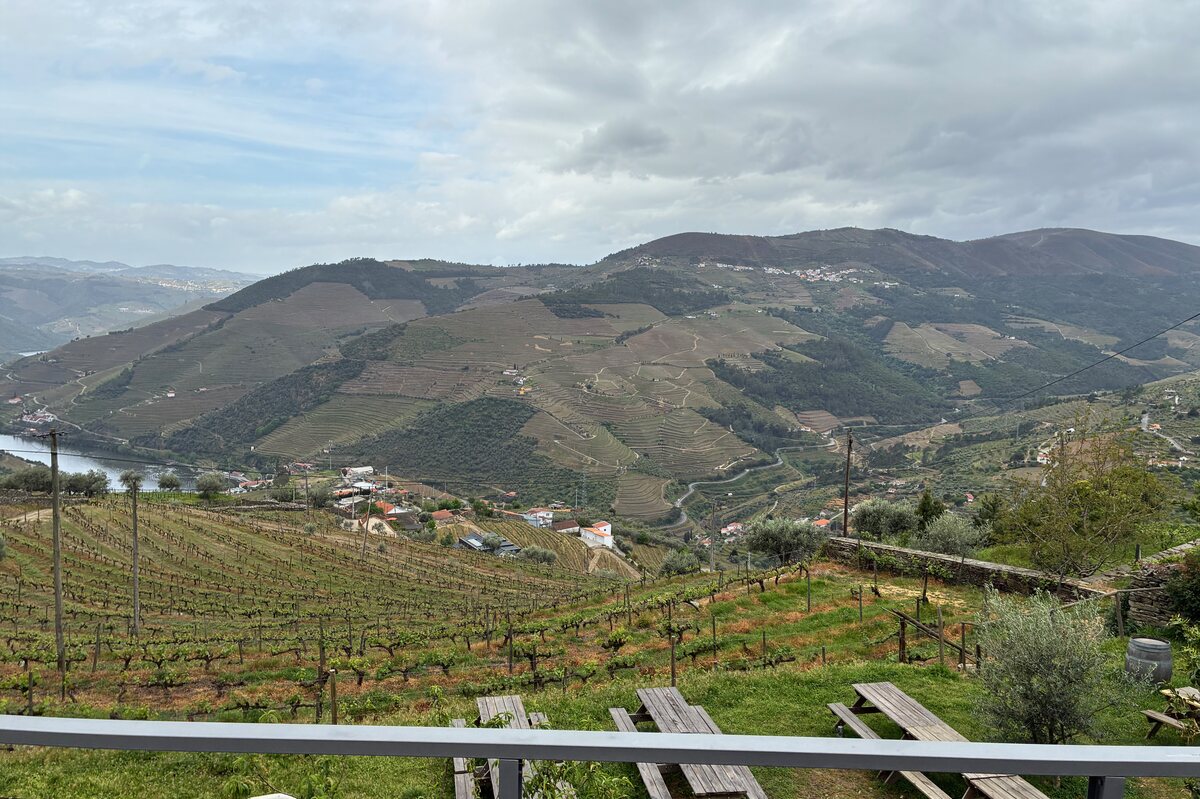
From there, a river cruise east into the valley — through the massive locks at Carrapatelo, where the boat is lifted or lowered thirty-five meters like something industrial and slow and improbable, and into the terraced vineyards carved over centuries into steep schist hillsides. The terraces are a UNESCO World Heritage site, and you understand why once you've seen them at the scale the river gives you: an enormous, human-made landscape, Touriga Nacional and Tinta Roriz rooted in soil that looks like it shouldn't sustain anything.

Outside Régua, in Galafura, we visited Adega das Giestas Negras — a schist winery with 1575 engraved above its door. Inside, a chestnut wood spindle press eight meters long and over three hundred years old, lagares carved from the same stone as the hillside. The Coimbra de Mattos family has worked this land since before anyone alive can remember, and restored it as a museum in 2006. What stayed with me was the absence of distance between the equipment and the landscape outside the window — they're made of the same thing.

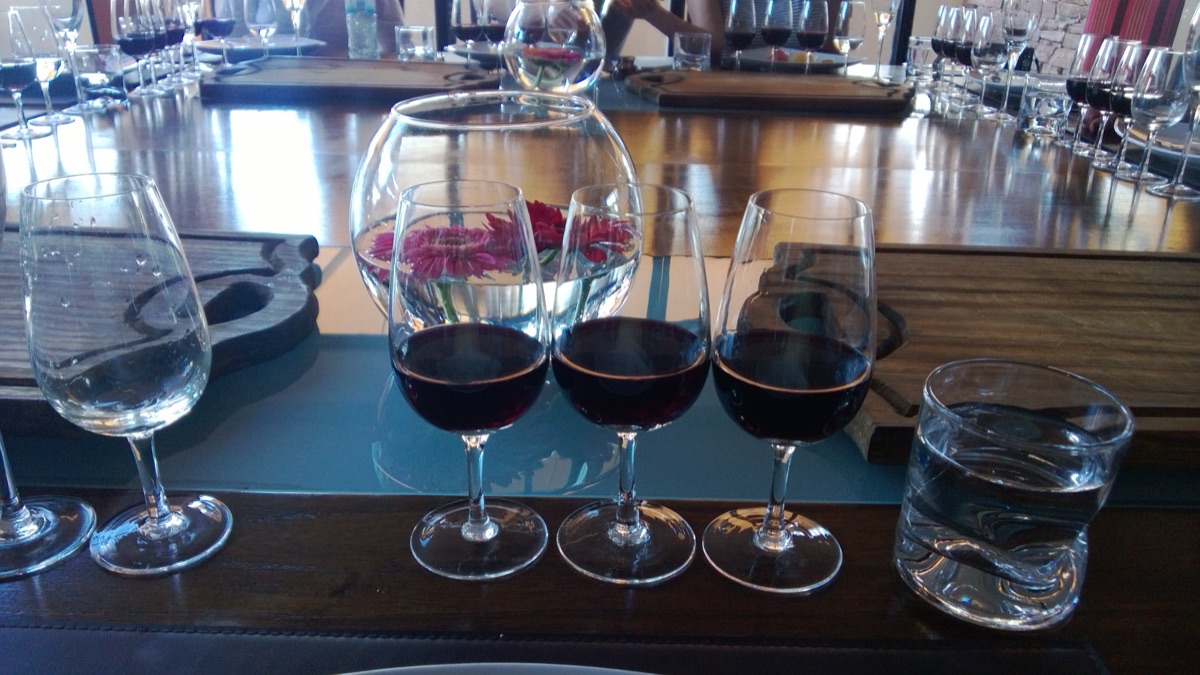
VintageTheory, outside Sabrosa in the upper Douro, felt like the other end of the same story — a boutique producer with panoramic views of the valley and a terrace where you sit with ports aged ten, twenty, and thirty years alongside Douro table wines. The kind of place you don't rush. The kind of wine that makes you stop talking mid-sentence.

Vinho Verde also deserves more credit than its reputation as a light summer sipper — especially the single-varietal Alvarinhos from Monção and Melgaço, which have real weight and mineral structure.
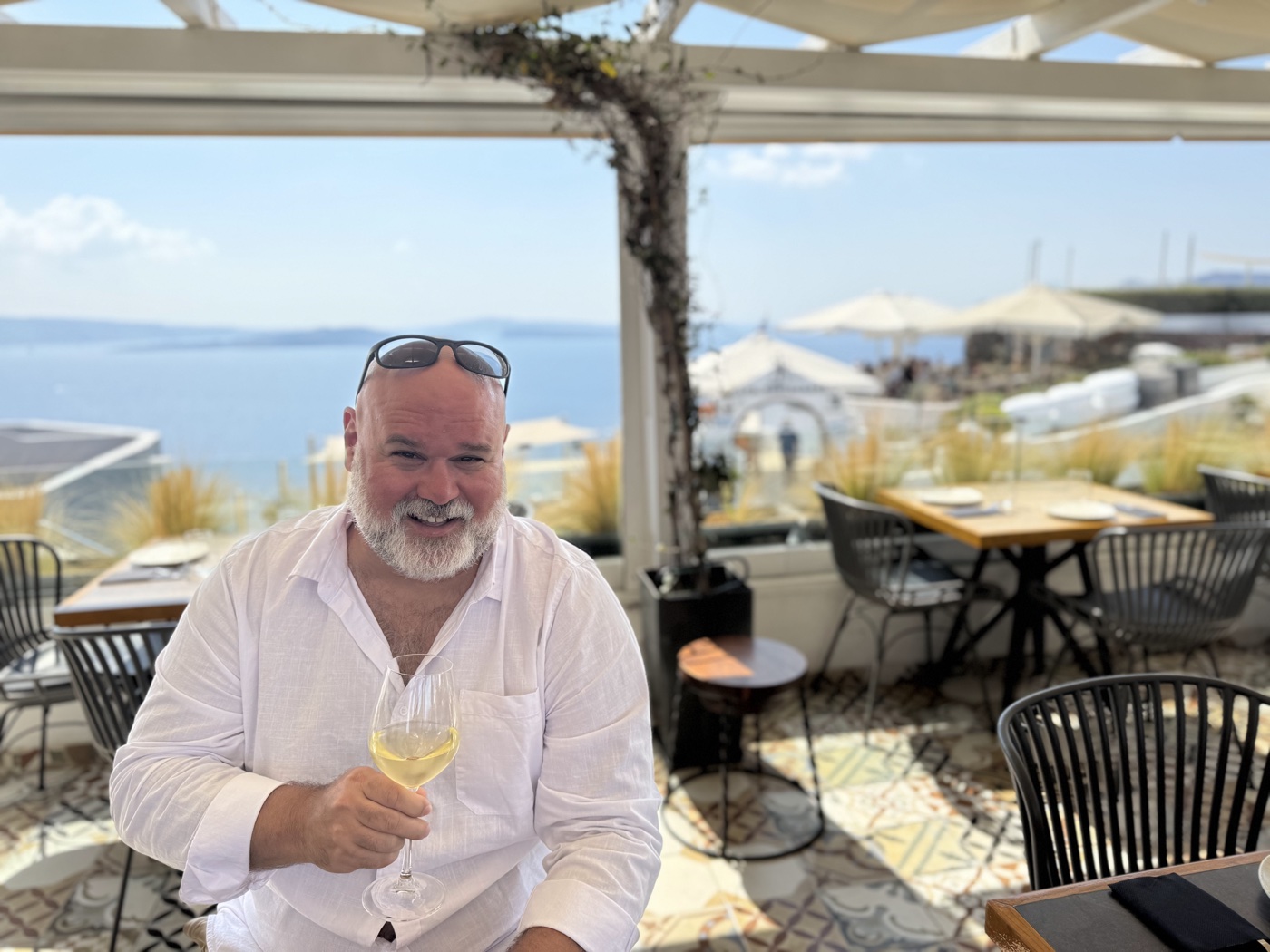
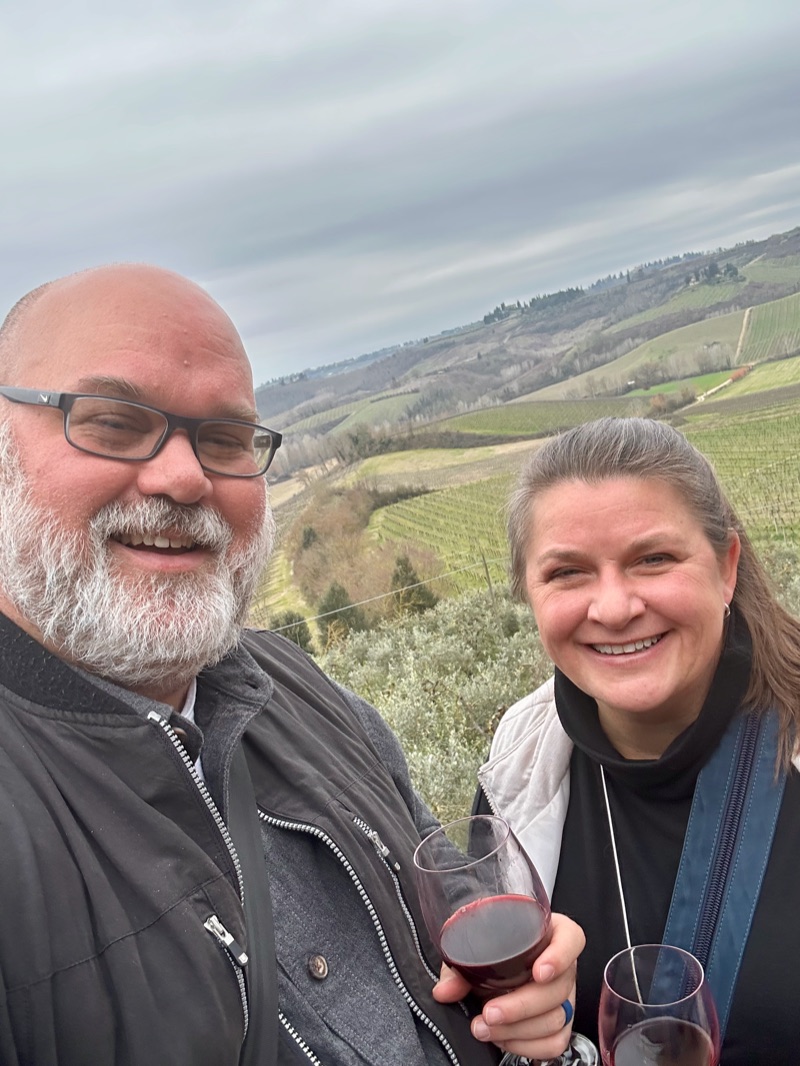
Matt Dinovo at a wine table in Florence, Italy

Italy — Tuscany

I visited Fattoria Poggio Alloro, a working estate five kilometers from the medieval towers of San Gimignano. It's a fourth-generation family farm — the Fioroni family have farmed this land since 1955 — and the wines reflect that rootedness. The estate produces Vernaccia di San Gimignano DOCG, Chianti DOCG, Vin Santo, and a Sangiovese-forward red blend called "Convivio," made with a touch of Colorino for depth and color. Everything is certified organic. The 360-degree views of vineyards, olive groves, and the towers of San Gimignano on the horizon are the kind of thing that makes the abstract concrete: Sangiovese in its native context, with the landscape that shaped it.

Tawse Winery on the Niagara Escarpment, Ontario

Canada — Ontario

Ontario's Niagara Peninsula is producing wines that would surprise anyone who formed their opinion of Canadian wine from a liquor store shelf.

Tawse Winery in Vineland is a family-owned, certified organic and biodynamic estate on the lower slopes of the Niagara Escarpment. Founded by Moray Tawse out of a passion for Burgundy, the winery uses a six-level gravity-flow design, geothermal energy systems, and hand-harvested fruit from low-yield vines. It has been named Canadian Winery of the Year four times. The Chardonnay and Pinot Noir here are legitimately Burgundian in style, with crisp cool-climate acidity and restraint.

Megalomaniac Wines, also on the Niagara Peninsula, takes a different approach — irreverent branding wrapped around genuinely well-made wines. The barrel room visit made clear this isn't just a marketing exercise; the winemaking is taken seriously even if the attitude isn't.

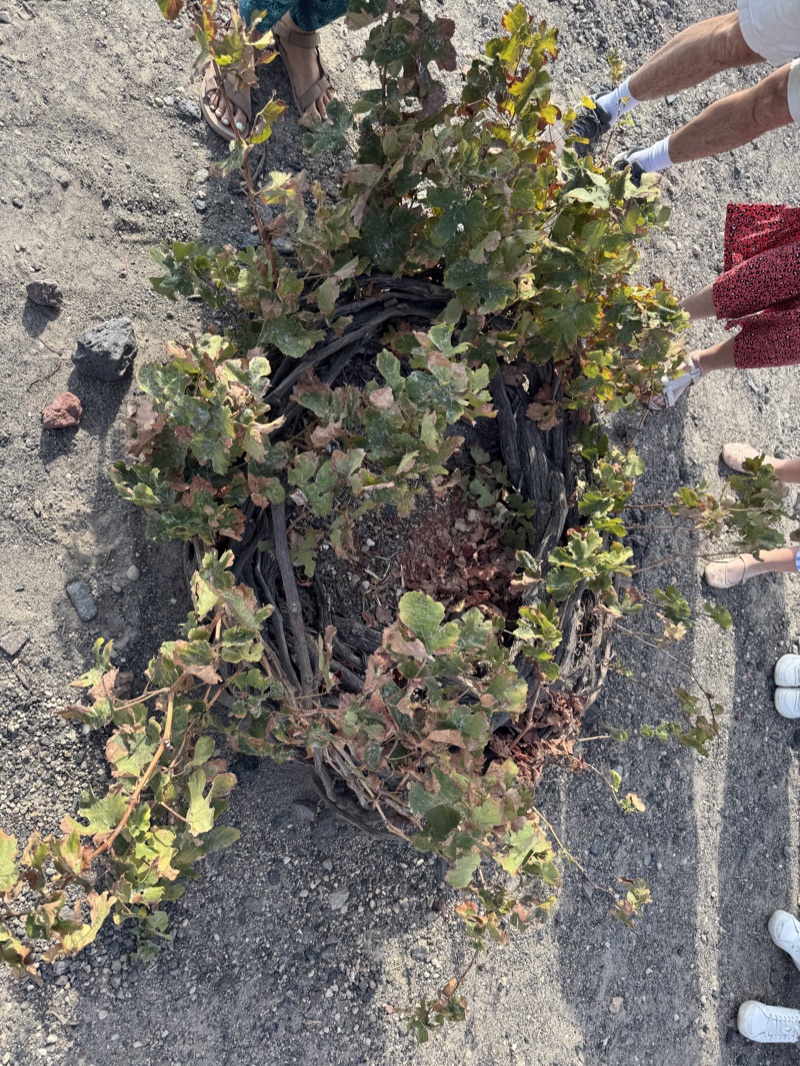
Santorini — basket-trained kouloura vines on volcanic pumice soil

Greece — Santorini

Santorini's Assyrtiko stopped me cold the first time I had it on the island. I visited three producers — each with a distinct approach to the same volcanic terroir.

Gaia Wines operates out of a beautifully restored stone building on Santorini's eastern coast — originally a tomato processing factory from the early 1900s. Their flagship Thalassitis Assyrtiko, and the singular Thalassitis Submerged — bottled and aged underwater at twenty meters depth — are among the more singular things I've tasted.

Hatzidakis Winery, carved into the hillside at 330 meters elevation outside Pyrgos, was the first producer to champion Mavrotragano — a rare indigenous red grape that had nearly disappeared. Their cave-like tasting room and organic vineyards make for one of the more intimate visits on the island.

Santo Wines, the island's large cooperative established in 1911, sits atop the caldera with panoramic views of the volcano and Aegean Sea. The cooperative represents the island's growers collectively and produces across the full range of PDO Santorini styles, including Vinsanto, the sweet sun-dried dessert wine made from late-harvested Assyrtiko.

High-acid, mineral-driven, almost saline in character — Santorini's wines only make sense once you've stood on the island and looked at what's actually growing in the rock. The vines train low in a basket shape called kouloura to survive the fierce Aegean winds. Greece makes a case for indigenous varieties that no amount of reading can prepare you for.

High-altitude Uco Valley vineyards with the Andes in the background

Argentina — Mendoza

The tasting was in Buenos Aires: a curated flight of producers from the Uco Valley and greater Mendoza, built around direct access between the wines and the people who wanted to understand them. The format was simple — producer, region, glass. What stayed with me was the altitude.

Mendoza's Malbec has an undeserved reputation for being easy. At altitude in the Uco Valley, the combination of intense UV exposure, cold nights, and volcanic soils builds structure and complexity that rivals anything in the southern hemisphere. Worth taking seriously.


From the Cellar

A snapshot from the wine fridge — currently 87 bottles across 10 countries (October 2026).

  • Fattoria Poggio Alloro Vernaccia di San Gimignano 2024

    Tuscany, Italy · Vernaccia · 12.5% ABV

    Pale straw with a subtle greenish glint. Crisp green apple, white almond blossom, citrus peel, and wet stone. Dry and medium-bodied with bright acidity, orchard fruit, and a classic bitter-almond and mineral finish.

    Pairs with: Grilled sea bass, herb-roasted chicken, or pecorino.

    Brought back to the cellar after visiting the Fioroni family's organic estate outside the medieval towers of San Gimignano.

  • Shady Lane Cellars Grüner Veltliner 2024

    Leelanau Peninsula, Michigan · Grüner Veltliner · 12.5% ABV

    Bright, clear pale lemon. White pepper, lime zest, crisp pear, and crushed slate. Zippy cool-climate acidity, lean citrus and green pear on the mid-palate, finishing bone-dry and peppery.

    Pairs with: Pan-seared Lake Michigan whitefish or aged goat cheese.

    Picked up on East Shady Lane in Suttons Bay — proof of how well Austrian varieties take to the peninsula's glacial soils.

  • Château Famaey Cahors Malbec 2020

    Southwest France · Malbec · 13.5% ABV

    Deep, opaque purple-ruby. Black plum, violets, cedar, and damp earth. Firm, grippy tannins and brighter acidity than South American Malbec — dark berry fruit giving way to a savory, earthy finish.

    Pairs with: Braised short ribs, duck confit, or aged Comté.

    The Old World benchmark I love pouring next to Mendoza and Sonoma Malbecs so people can taste where the grape started.

  • Amoritas Vineyards Beak & Talon Red Blend 2016

    Leelanau Peninsula, Michigan · Merlot & Cabernet Sauvignon

    Medium garnet with bricking at the rim from ten years in bottle. Dried red cherry, cedar box, tobacco leaf, and black tea. Softened, resolved tannins with lively cool-climate acidity still holding the red fruit and savory spice together.

    Pairs with: Roasted pork loin with cherry reduction or mushroom risotto.

    A ten-year-old Northern Michigan red sitting in my cellar that answers anyone who asks whether cool-climate Midwest reds can age.

Oldest bottle currently on the rack: a 2012 Bodegas Vinsacro Rioja. Longest runway: an Osborne Pedro Ximénez 1827 Sherry whose drink window optimistically closes in 2074. See how I turn bottles like these into guided tasting flights.


What This Has Taught Me

I'm interested in why wines taste different, what people actually enjoy in the glass, and how a good tasting helps them figure that out. Geography — the soil, the weather, the people working the land — isn't trivia; it's the reason the wine tastes like anything at all. And the best wine conversations don't happen with people trying to prove what they know. They happen with people who stay curious enough to keep being surprised.

At the end of the day, if you want to get more out of what you're drinking — not to impress anyone, just because you're curious — or if you'd like to plan a tasting for your group, I'm at matt@mattdinovo.wine.

Matt Dinovo in the Sandeman barrel cellar, Porto, Portugal

Work With Me

Private and group tastings for home gatherings, celebrations, wine clubs, and corporate events — built around what your guests actually want to learn. Formats and what's included.

Private & Group Tastings

From intimate one-on-one sessions to structured events for clubs, corporate groups, or private parties. Custom-built around what your guests actually want to learn, not a standard script.

Typically 90 minutes to two hours. Sessions close with a written takeaway list of recommended bottles based on what the group enjoyed.

To talk about what your group needs: matt@mattdinovo.wine

Guided group tasting session at Uncorked Wine Tastings in Dublin, Ohio

Who It's For

  • The wine club that wants a guided session beyond what the club sends.
  • The couple who wants to actually understand what they're drinking.
  • The company that wants a tasting people will still talk about on Monday.
Folie à Deux and Napa Cellars bottles on a professional tasting bar at Ménage à Trois winery, Napa

Get in Touch

Wine is better when you have people to talk about it with — and sometimes those conversations turn into real work. Whether you're an operator looking for a tasting partner, a venue that wants to sharpen its program, or someone who just wants to share a discovery, drop a message below.

Or Email Directly matt@mattdinovo.wine
Find Me On Social
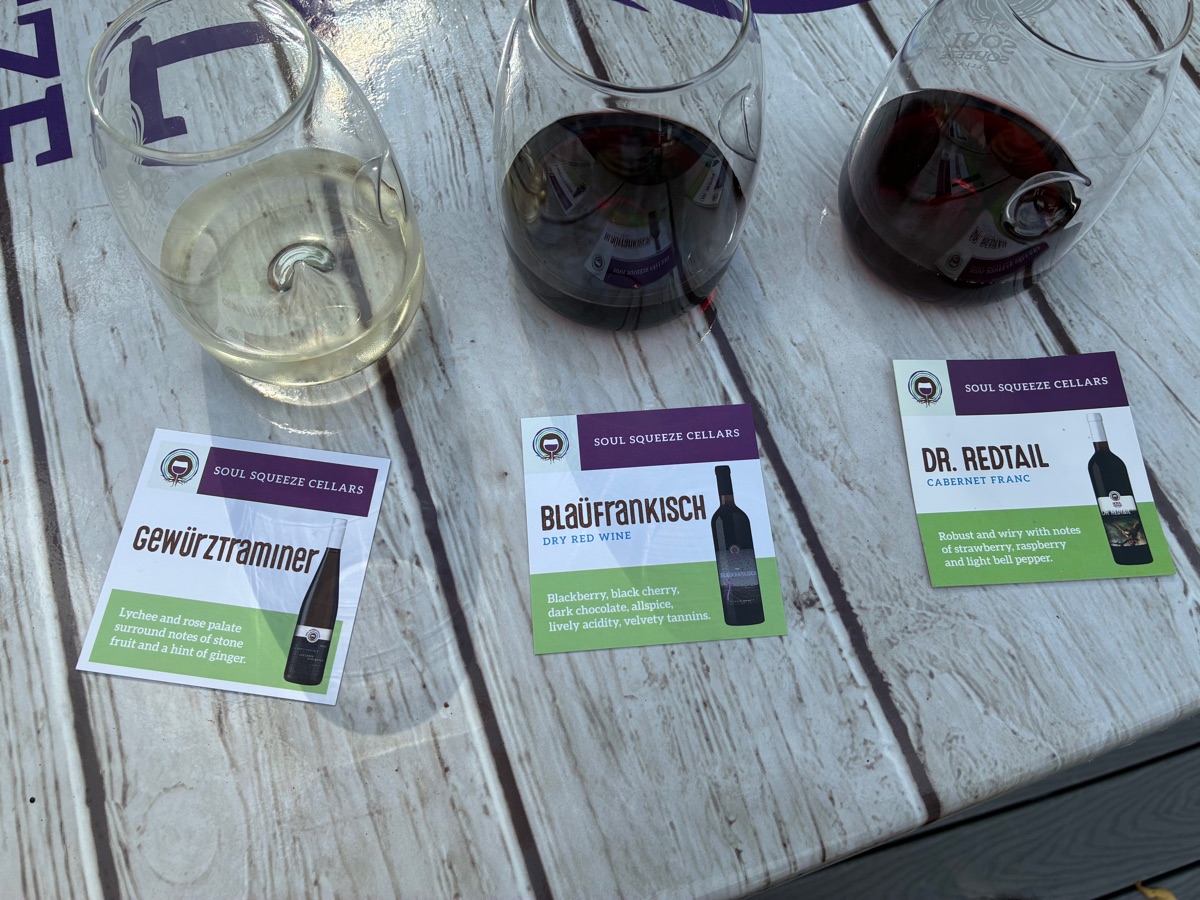
Three wine glasses beside Soul Squeeze Cellars tasting cards for a Gewürztraminer, Blaüfrankisch, and Cabernet Franc flight

WSET Level 1 Award in Wines (October 2025) — WSET Level 2 Award in Wines with Distinction (July 2026) · Wine Club Tastings, Carfagna's Market & Ristorante · Wine Server, Uncorked Wine Tastings · Matt Dinovo Wine Consulting

© 2026 Matt Dinovo Wine Consulting · matt@mattdinovo.wine

Work With Me →